When selecting surgical lighting for a new operating room or a hospital renovation, one of the first decisions is whether to install a single-head or double-head surgical light. Both configurations can provide the illumination needed for surgical procedures, but they differ in light coverage, positioning flexibility, installation requirements, and overall suitability for different clinical environments.
For hospital procurement teams, medical equipment distributors, and operating room contractors, the right choice depends on more than the number of lamp heads. Procedure types, surgical team size, room layout, shadow management, and future equipment plans all need to be considered.
This guide compares single-head and double-head surgical lights, explains where each configuration works best, and outlines the key specifications buyers should evaluate before purchasing.
What Is a Single-Head Surgical Light?
A single-head surgical light uses one lamp head mounted on an adjustable suspension arm or mobile support. The head directs light toward the surgical field, allowing clinical staff to position the illumination according to the procedure and the surgeon's working angle.
A single-head configuration can be a practical choice for operating rooms with limited space, procedure rooms, and facilities that need a straightforward lighting arrangement. It may also suit hospitals that already have a separate auxiliary light or that perform procedures with less demanding illumination requirements.
When evaluating a surgical light range, buyers should check the illuminance, color rendering index (CRI), adjustable color temperature, light field diameter, illumination depth, and positioning range. These factors affect clinical usability more directly than the number of lamp heads alone.
What Is a Double-Head Surgical Light?
A double-head surgical light has two independently positionable lamp heads, usually supported by a ceiling-mounted suspension system. The heads can be adjusted to provide illumination from different directions, helping the surgical team maintain a well-lit field when staff, instruments, or equipment partially obstruct the light path.
This configuration is commonly considered for major operating rooms, longer procedures, and surgical environments where lighting flexibility is important. The two heads can be positioned to complement each other, although the actual benefit depends on their optical performance, suspension design, and how the team positions them during surgery.
A double-head surgical light does not automatically provide better lighting in every situation. Both heads need to be positioned correctly, and the combined illumination should meet the clinical and technical requirements of the facility.
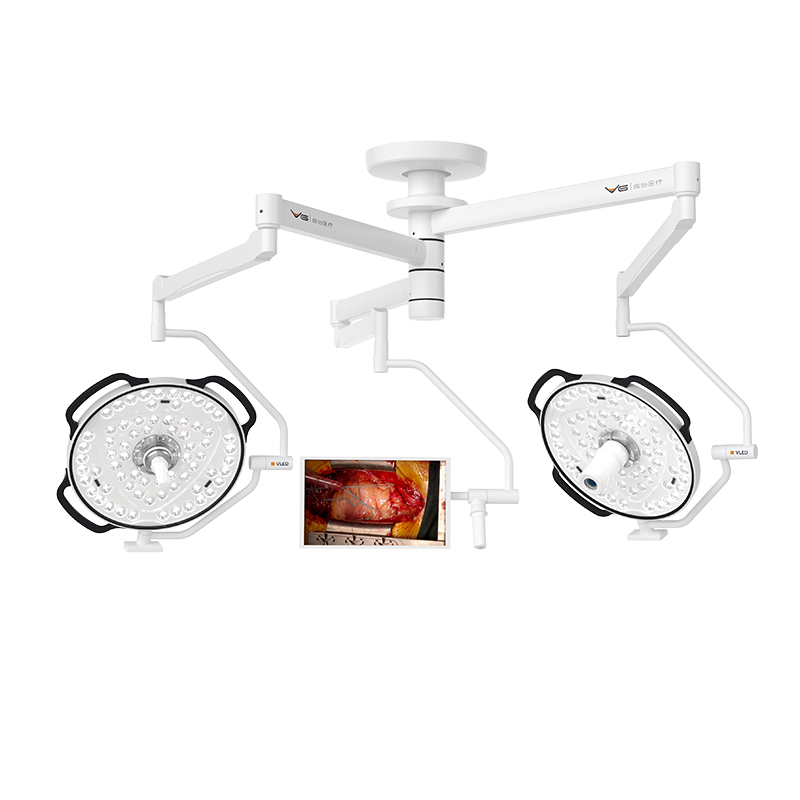
VG Medical VLED Series double-head surgical lights
Single-Head vs. Double-Head Surgical Lights: Key Differences
The main difference is the availability of a second independently adjustable light head. This can affect coverage and positioning options, but it should be assessed alongside the specifications of the complete lighting system.
| Comparison Factor | Single-Head Surgical Light | Double-Head Surgical Light |
|---|---|---|
| Lamp heads | One | Two |
| Positioning | One primary light direction | Two adjustable light directions |
| Lighting coverage | Depends on the head's optical design and positioning | Offers more options for complementary illumination |
| Room planning | Usually a simpler arrangement | Requires planning for both heads and suspension arms |
| Typical consideration | Routine procedures and space-conscious rooms | Major procedures and more demanding lighting setups |
| Procurement factors | Performance, footprint, and budget | Performance, flexibility, ceiling capacity, and budget |
These are general selection considerations rather than fixed rules. A high-performance single-head model may be suitable for many procedures, while a double-head model may be unnecessary in a room with limited clinical requirements. Always compare the manufacturer's technical specifications and intended use.
When Should a Hospital Choose a Single-Head Surgical Light?
A single-head model may be appropriate when a facility needs reliable illumination without the additional positioning options of a second lamp head. It can be considered for smaller operating rooms, minor surgery rooms, treatment rooms, and facilities with a defined range of procedures.
- Limited room space: A simpler lighting arrangement may make equipment placement easier.
- Defined procedural needs: One lamp head may be sufficient when the required surgical field and working angles are predictable.
- Budget management: Comparing single-head options may help control initial equipment expenditure, depending on the selected model.
- Existing equipment: A facility may already have supplementary lighting or a room configuration that does not require two heads.
Before purchasing, confirm that the model's light intensity, illumination depth, color rendering, and adjustment range are suitable for the intended procedures. A lower purchase price should not come at the expense of required clinical performance.
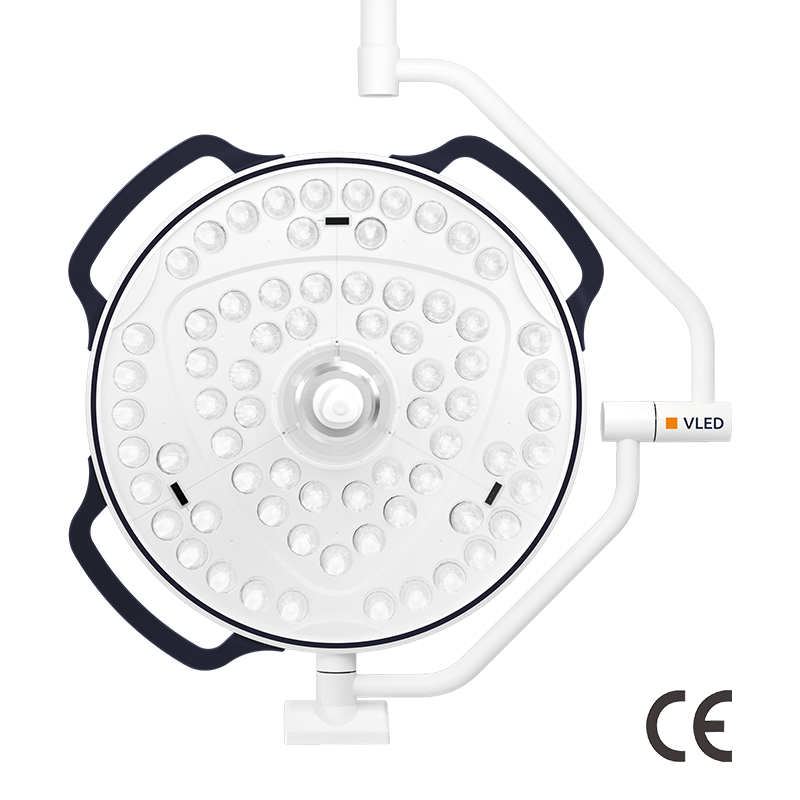
CLED series LED surgical lighting
When Is a Double-Head Operating Room Light the Better Choice?
A double-head operating room light is worth considering when the clinical team needs greater flexibility in directing illumination. Two heads can be positioned at different angles to help manage shadows caused by the surgeon's head, hands, or other equipment. This can be useful in operating rooms where the surgical field and team positions change during a procedure.
- Major operating rooms: Complex procedures may benefit from additional positioning options.
- Changing surgical angles: Two heads can be adjusted to support different working positions.
- Long procedures: Flexible light positioning can help the team maintain suitable illumination as the procedure progresses.
- New OR construction: It may be easier to plan ceiling supports and suspension-arm positions before the room is completed.
For a double-head system, buyers should evaluate the independent movement of each head, suspension-arm range, control interface, shadow management, and the ability to position the lights without interfering with medical pendants, monitors, or other ceiling-mounted equipment.
Technical Specifications Buyers Should Compare
Whether choosing a single-head surgical light or a dual head operating room light, procurement teams should compare the complete specification sheet rather than selecting by configuration alone.
- Illuminance: Check the adjustable illumination range and whether it meets the requirements of the intended procedures.
- Color rendering index: A high CRI supports accurate visual differentiation of tissue colors. Review the manufacturer's reported values and test conditions.
- Color temperature: Adjustable color temperature may help clinicians select a preferred light appearance for different procedures.
- Illumination depth and light field: Review performance at different depths and field settings, not just the maximum illuminance figure.
- Shadow management: Ask how the system maintains illumination when the light path is partially blocked.
- Control and positioning: Check handle design, movement range, dimming controls, and whether both heads can be adjusted conveniently.
- Compliance and service: Confirm applicable regulatory documentation, installation requirements, warranty terms, spare-part availability, and after-sales support for the target market.
For example, VG Medical's VLED surgical light series lists single-head and double-head configurations, adjustable illumination, light field and color temperature, and intelligent shadow management. Buyers should confirm the exact configuration and specifications required for their project with the supplier.
Installation and Operating Room Planning
The choice between one and two lamp heads affects ceiling planning. Before ordering, the project team should verify the ceiling structure, mounting height, available clearance, electrical requirements, and the location of other suspended equipment. The planned positions of the operating table, medical pendants, monitors, and ventilation outlets should also be considered.
For a double-head installation, confirm that both lamp heads can reach the intended surgical field without colliding with each other or restricting the movement of other equipment. For existing operating rooms, a site assessment can help determine whether the current ceiling support and room layout can accommodate the proposed system.
Hospitals should also plan for installation, commissioning, staff training, cleaning procedures, preventive maintenance, and access to replacement parts. These practical factors influence the long-term value of the equipment as much as the initial purchase price.
How to Select the Right Surgical Light Supplier
For hospitals, distributors, and contractors sourcing surgical lighting, supplier evaluation should include product configuration, technical documentation, manufacturing quality, export experience, and after-sales support. Ask for the product datasheet, applicable certificates, installation guidance, warranty terms, and confirmation of the requested configuration.
VG Medical Technology has focused on operating room and ICU equipment since 2003, with product lines covering surgical lights, operating tables, medical pendants, and digital integrated OR solutions. Buyers can learn more about VG Medical's background and review the available surgical light models before discussing project requirements with the team.
For procurement projects, provide the intended procedure types, room dimensions, ceiling conditions, target specifications, destination market, and estimated quantity. This helps the supplier recommend a configuration that fits the clinical workflow and installation conditions.
Frequently Asked Questions
1. What is the main difference between a single-head and double-head surgical light?
A single-head surgical light has one adjustable lamp head, while a double-head system has two. The second head offers additional positioning options and may help manage shadows, depending on the system design and how the lights are positioned.
2. Is a double-head surgical light always better than a single-head model?
No. The best option depends on the procedures performed, room layout, illumination requirements, and budget. A well-specified single-head model may be sufficient for some rooms, while more demanding surgical environments may benefit from two heads.
3. Can a double-head surgical light reduce shadows?
Two light heads can illuminate the surgical field from different directions, potentially reducing shadows caused by partial obstruction. Actual performance depends on optical design, light positioning, and the system's shadow-management capabilities.
4. What specifications matter most when buying surgical lights?
Compare illuminance, color rendering index, color temperature, illumination depth, light field diameter, shadow management, positioning range, applicable certifications, and maintenance support. The specifications should match the intended clinical use.
5. Does a double-head surgical light require special ceiling planning?
It requires careful assessment of ceiling load capacity, mounting structure, suspension-arm clearance, and potential interference with other equipment. Confirm these details with the project team and manufacturer before installation.
6. Can hospitals order single-head and double-head configurations from the same product series?
Some product series offer both configurations. VG Medical's VLED series lists single-head and double-head options. Confirm the available model, specifications, accessories, and configuration with the supplier before placing an order.
Find a Suitable Surgical Lighting Configuration
The choice between a single-head surgical light and a double-head operating room light should start with the clinical workflow, not simply the number of lamp heads. Consider the procedures performed, the required lighting performance, room dimensions, ceiling arrangement, and long-term service needs before making a decision.
Explore VG Medical's surgical light range to compare available configurations and technical features. For hospital projects, distributors, and customized procurement requirements, contact the team with your application details to discuss a suitable solution.